
Enhancing Engagement in Sports Broadcasting: Strategies and Insights
Understanding the Landscape of Sports Broadcasting
Sports broadcasting has evolved into a dynamic element of the media landscape, capturing the attention of millions worldwide. This evolution is marked not only by technological advancements but also by shifts in audience behavior and preferences. As we delve into the world of Sports Broadcasting, it is essential to reflect on its historical context, current trends, and the transformative role technology plays in shaping how sports information is disseminated and consumed.
History of Sports Broadcasting
The roots of sports broadcasting can be traced back to the early 1920s when radio became the primary medium for sharing sports events with the public. Early broadcasts were rudimentary, featuring live commentary that was often interrupted by musical interludes. The first live radio sports broadcast occurred in 1921, showcasing a boxing match between American fighters. This moment marked the beginning of a journey that would lead to the development of televised broadcasts—transformative events that brought games into living rooms around the globe.
Television exploded onto the scene in the mid-20th century, fundamentally reshaping sports broadcasting. Families gathered around their televisions to watch key events, with major milestones in sports history being etched into the cultural fabric. Events like the Super Bowl and the Olympics garnered unprecedented viewership, fueled by commercial investments and the rise of cable television. As technologies advanced, networks shifted towards 24-hour sports news channels, opening the doors for a constant stream of updates and analyses that had previously been unavailable.
Current Trends in Sports Broadcasting
Today, sports broadcasting is undergoing rapid change influenced by several key trends. One of the most significant trends is the rise of streaming platforms that cater to diverse audiences. As traditional cable subscriptions decline, platforms like ESPN+, DAZN, and Amazon Prime Video have emerged, offering exclusive content and sports packages. This shift allows viewers to customize their sports consumption, making it more flexible than ever before.
Another trend is the integration of augmented reality (AR) and virtual reality (VR) into the viewing experience. These technologies provide immersive experiences, allowing fans to feel as if they are part of the action, whether by superimposing player statistics in real-time or offering virtual stadium tours. Furthermore, the use of drones and advanced camera technology enhances broadcast quality, providing viewers with various angles and insights previously unattainable.
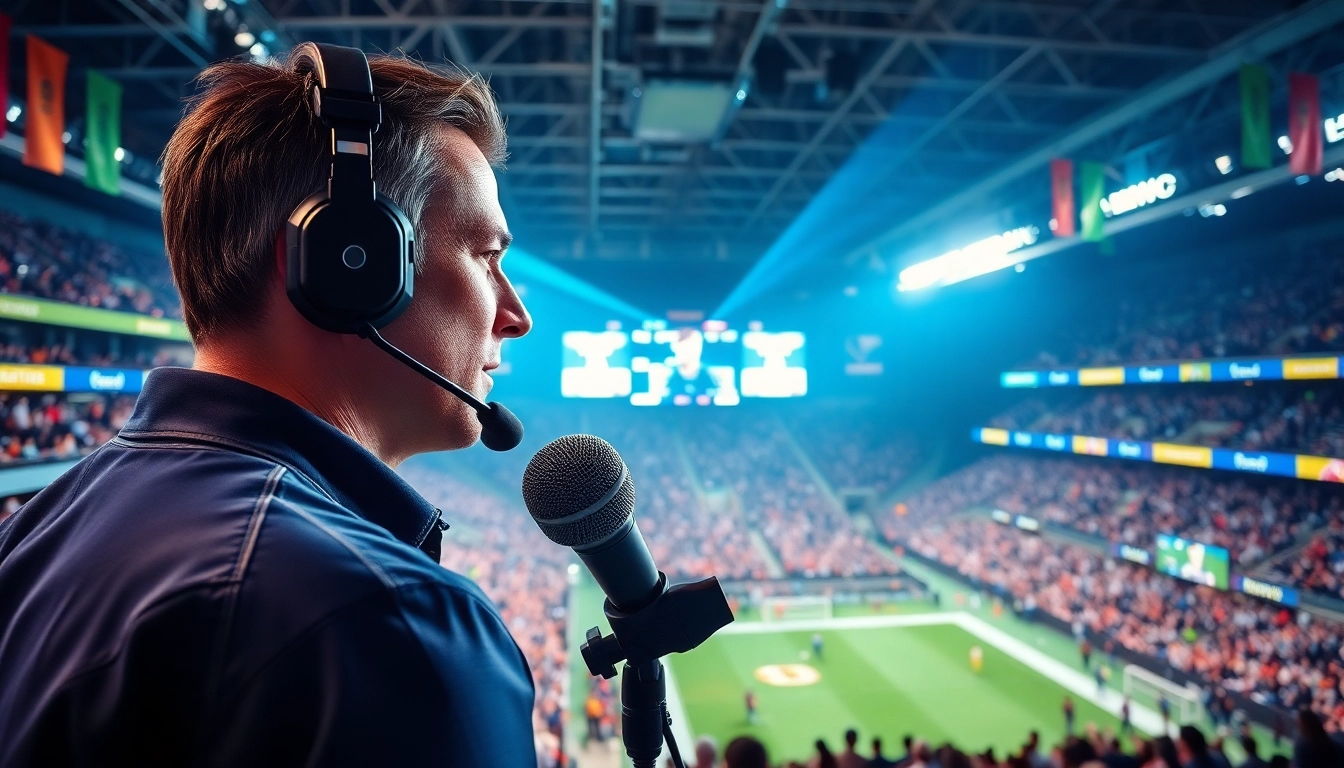
The focus on audience engagement can also be observed in the evolution of sports commentary. Commentators today are tasked with more than just delivering play-by-play accounts; they are expected to create narratives that resonate with the audience, elevate emotional stakes, and foster interactive experiences via social media platforms. With these changes, the role of the sports broadcaster has expanded considerably, influencing not just the delivery of information but also the overall viewer experience.
The Role of Technology in Sports Broadcasting
Technology is at the forefront of modern sports broadcasting, transforming how content is created and consumed. The implementation of high-definition and 4K cameras allows audiences to experience games with enhanced clarity and detail, effectively bridging the gap between virtual and live experiences. Additionally, data analytics play a crucial role in shaping broadcasting content, providing rich statistics and performance metrics that inform commentators and enhance fan understanding.
Live streaming is another technological advancement revolutionizing the industry. It allows for instant reporting and real-time sharing of highlights, making content more accessible and shareable across multiple platforms. Furthermore, blockchain technology is being explored for broadcasting rights management, ensuring transparent content ownership and monetization structures.
Lastly, artificial intelligence (AI) is being deployed for personalized viewing experiences. By analyzing user preferences, AI can recommend specific content or games, enhancing viewer satisfaction and loyalty. This technology promotes tailored interaction while preserving a human touch, ensuring sports broadcasting remains engaging and relevant to diverse audiences.
Key Components of Effective Sports Broadcasting
Effective sports broadcasting transcends mere transmission of information; it centers on engagement, clarity, and entertainment. Several key components contribute to the success of this endeavor, enhancing the connection between the broadcaster and the audience.
Commentary Techniques for Sports Broadcasting
Commentary remains a cornerstone of sports broadcasting, requiring a blend of skill, knowledge, and charisma. Effective commentators must possess a deep understanding of the sport and its players, allowing them to provide contextually relevant insights. Techniques such as storytelling can engage viewers emotionally, making the action more relatable and memorable. Commentators should also adapt their tone and pacing according to the game’s tempo—energetic during fast-paced segments and reflective in calmer moments.
Incorporating statistics and historical references can enrich the commentary, framing each play within a larger narrative. Moreover, the ability to remain impartial while injecting personality is crucial; a successful commentator balances enthusiasm with analytical depth, catering to seasoned fans and newcomers alike. Continuous practice, feedback, and exposure to diverse sports contribute to the development of effective commentary skills.
Engaging with Audiences During Live Coverage
Interactivity is vital for modern sports broadcasting, particularly during live coverage. Engaging with the audience while the event unfolds can significantly enhance the viewing experience. Broadcasters can leverage social media platforms like Twitter and Instagram to facilitate real-time interaction, allowing viewers to share opinions, ask questions, or participate in polls.
Employing audience contributions in broadcasts—through tweets, questions from fans, or call-ins—fosters a sense of community and inclusivity. Broadcasters who respond to viewer insights or explore trending social media topics during coverage reflect real-time audience interests, enhancing both engagement and cohesion. Furthermore, integrating live chats or on-screen polls enriches viewer engagement, creating a dynamic platform where opinions can shape the broadcast narrative.
Utilizing Social Media in Sports Broadcasting
The intersection of sports broadcasting and social media has opened avenues for increased audience engagement. Platforms like Twitter, Facebook, and TikTok allow broadcasters to extend their reach beyond traditional channels, interacting with fans through shareable highlights, behind-the-scenes content, and instant updates.
Broadcasting organizations can create unique content tailored for each platform—short clips for TikTok, in-depth analyses for Facebook, and live updates for Twitter. This versatility in content delivery strengthens audience connections and fosters loyalty by positioning broadcasters as trusted sources of sports information. Moreover, social media’s viral nature enables sports moments to gain traction beyond the event’s original viewership, amplifying exposure and audience growth.
Challenges Faced in Sports Broadcasting
While sports broadcasting offers exciting opportunities, it is not without its challenges. Navigating audience expectations, competition, and technical glitches requires adaptability and strategic foresight.
Addressing Audience Expectations
Today’s audiences demand more than just score updates; they seek depth, analysis, and engaging narratives. Meeting these expectations represents a significant challenge for broadcasters as they balance the need to remain informative while keeping content entertaining. Failure to address these needs can result in loss of audience trust and viewership.
To counter this, broadcasters should invest in understanding audience demographics and preferences. Surveys, social media insights, and data analytics can help tailor content to meet specific viewer needs. Providing exclusive narratives, engaging segments, and supplementary information can ensure that audiences remain invested throughout broadcasts, minimizing the risk of disengagement.
Navigating the Competition
The sports broadcasting landscape is increasingly competitive, with numerous networks and platforms vying for viewer attention. To stand out, broadcasters must cultivate a unique voice and brand identity. This can be achieved by specializing in niche sports or events, partnering with prominent figures in the industry, or offering value-added content such as in-depth interviews and analytical segments.
Strategically leveraging partnerships can enhance broadcasting reach as well. Collaborations with sports teams, network cross-promotions, or sponsorships can elevate visibility and offer diversified content. Establishing distinct viewer experiences through enhanced visuals, exclusive backstage access, or focus on compelling storylines can also help broadcasters carve a niche in a crowded marketplace.
Mitigating Technical Glitches
Technical issues can critically undermine viewer experience, leading to frustration and disengagement. From broadcast delays to equipment malfunctions, the potential for glitches is a constant concern for sports broadcasters. Proactive measures are essential in mitigating these risks.
Implementing redundant systems, conducting thorough pre-broadcast checks, and employing skilled technicians can minimize disruptions. Additionally, broadcasters should have contingency plans in place to address technical failures swiftly—this might include alternative platforms for stream delivery or backup equipment readily available for use. Recognizing that errors can happen and effectively communicating with audiences during these times demonstrates professionalism and helps maintain viewer trust.
Best Practices for Successful Sports Broadcasting
Achieving success in sports broadcasting demands strategic planning and adherence to best practices that foster quality, engagement, and consistency. Here are several practices that broadcasters should embrace.
Building a Unique Commentator Brand
Developing a unique commentator brand is essential for establishing a distinct presence in sports broadcasting. Commentators should cultivate their individual styles, whether through humor, analytical insights, or storytelling abilities. By showcasing their personalities, they can forge connections with audiences and build loyalty.
Personal branding extends beyond commentary style; commentators should actively engage with fans on social media, share personal experiences, and showcase their insights beyond broadcasts. This multifaceted approach strengthens their brand, allowing audiences to resonate with them on a deeper level. Participation in off-air events, podcasts, or team engagements can further enhance visibility and build a passionate follower base.
Creating Interactive Viewer Experiences
Interactive viewer experiences are essential in modern sports broadcasting, driving audience engagement and participation. Employing gamification elements—such as fantasy sports, trivia games, or challenge prompts during broadcasts—invites audiences to interact with content, fostering excitement and engagement.
Additionally, incorporating live polls or questions can amplify viewer involvement during broadcasts, creating a platform for audience voices. Exclusive interactive content, such as virtual meet-and-greets, Q&A sessions, and AR experiences, can elevate viewer experiences while building stronger connections with fans. Such initiatives enhance the sense of community, fostering loyal and engaged audiences who look forward to future broadcasts.
Continual Learning and Adaptation
The broadcasting landscape is ever-evolving, underscoring the importance of continual learning and adaptation. Broadcasters should regularly assess their performance through analytics, audience feedback, and industry developments to identify potential areas for improvement.
Attending industry seminars, workshops, and networking events enables broadcasters to stay updated on emerging trends and technologies. This approach not only helps refine skills and techniques but also fosters innovation, driving broadcasters to explore new creative avenues that enhance viewer experiences. Commitment to immersive learning ensures that broadcasters remain relevant and competitive within an ever-changing industry landscape.
Measuring Success in Sports Broadcasting
Successfully navigating the sports broadcasting landscape requires quality measurement to ensure objectives are met. Various performance metrics can be employed to determine the effectiveness of broadcasting strategies.
Key Performance Indicators for Sports Broadcasting
Key Performance Indicators (KPIs) provide measurable benchmarks for assessing broadcasting success. Metrics such as viewership numbers, audience retention rates, engagement statistics on social media, and fan interaction levels should be continuously monitored. Furthermore, analyzing regional viewership patterns can identify target demographics, influencing content planning and marketing strategies.
It is also important to assess the effectiveness of partnerships—understanding how collaborations and sponsorships impact reach and profitability is crucial. By deploying a combination of qualitative and quantitative measurements, broadcasters can gain insights that shape future content strategies and enhance overall performance.
Audience Feedback and Adaptation
Incorporating audience feedback is pivotal to optimizing sports broadcasting strategies. Actively soliciting feedback through surveys, social media interactions, and viewer polls can provide invaluable insights into audience preferences. Taking consumer input seriously facilitates authentic connections and demonstrates commitment to viewer satisfaction.
Adaptation based on feedback should be a continual process, with broadcasters willing to pivot content, style, or engagement strategies informed by audience demands. Engaging in open dialogues with audiences fosters trust and loyalty, ensuring broadcasters maintain relevance within rapidly evolving market dynamics.
Future Trends to Watch in Sports Broadcasting
As technology and audience preferences shift, sports broadcasting will continue to transform. Anticipated future trends include the growth of AI-driven content creation, which can offer personalized commentary and tailored highlights based on viewer preferences. The integration of advanced analytics and machine learning models will allow for more in-depth analysis and accessibility in broadcasting.
Furthermore, as global connectivity improves, the demand for multi-lingual broadcasts will likely increase, broadening the audience reach and inclusivity. Virtual reality experiences will enhance viewer engagement, transforming how fans interact with events. By anticipating these trends and adapting accordingly, sports broadcasters can position themselves at the forefront of industry innovation.
Frequently Asked Questions
What is sports broadcasting?
Sports broadcasting involves live or recorded coverage of sporting events through various media channels, including television, radio, and online platforms. It’s designed to inform, entertain, and engage audiences.
How has technology impacted sports broadcasting?
Technology has transformed sports broadcasting through HD and 4K resolutions, streaming options, and interactive features such as AR and VR, enhancing viewer engagement and experience.
What are key components of successful sports commentary?
Successful sports commentary blends knowledge, storytelling, audience engagement, and adaptability. Commentators must balance insightful analysis with entertainment to keep audiences engaged.
How can broadcasters engage audiences during live events?
Broadcasters can engage audiences by utilizing social media for real-time interaction, incorporating polls, and encouraging viewer participation, creating an immersive experience.
What future trends can we expect in sports broadcasting?
Future trends may include personalized AI-generated content, enhanced analytics, and multi-lingual broadcasts, all aimed at improving viewer experience and engagement in the digital age.